Under the intended light.
Look at the reference in the lighting planned for the space. Notice the direction of the highlights, the depth of the tone and what the surface reflects.
What should stand out, and what should stay quiet?
About GUOYAO METAL
Metal has a presence all its own.
We explore what it can bring to a space.
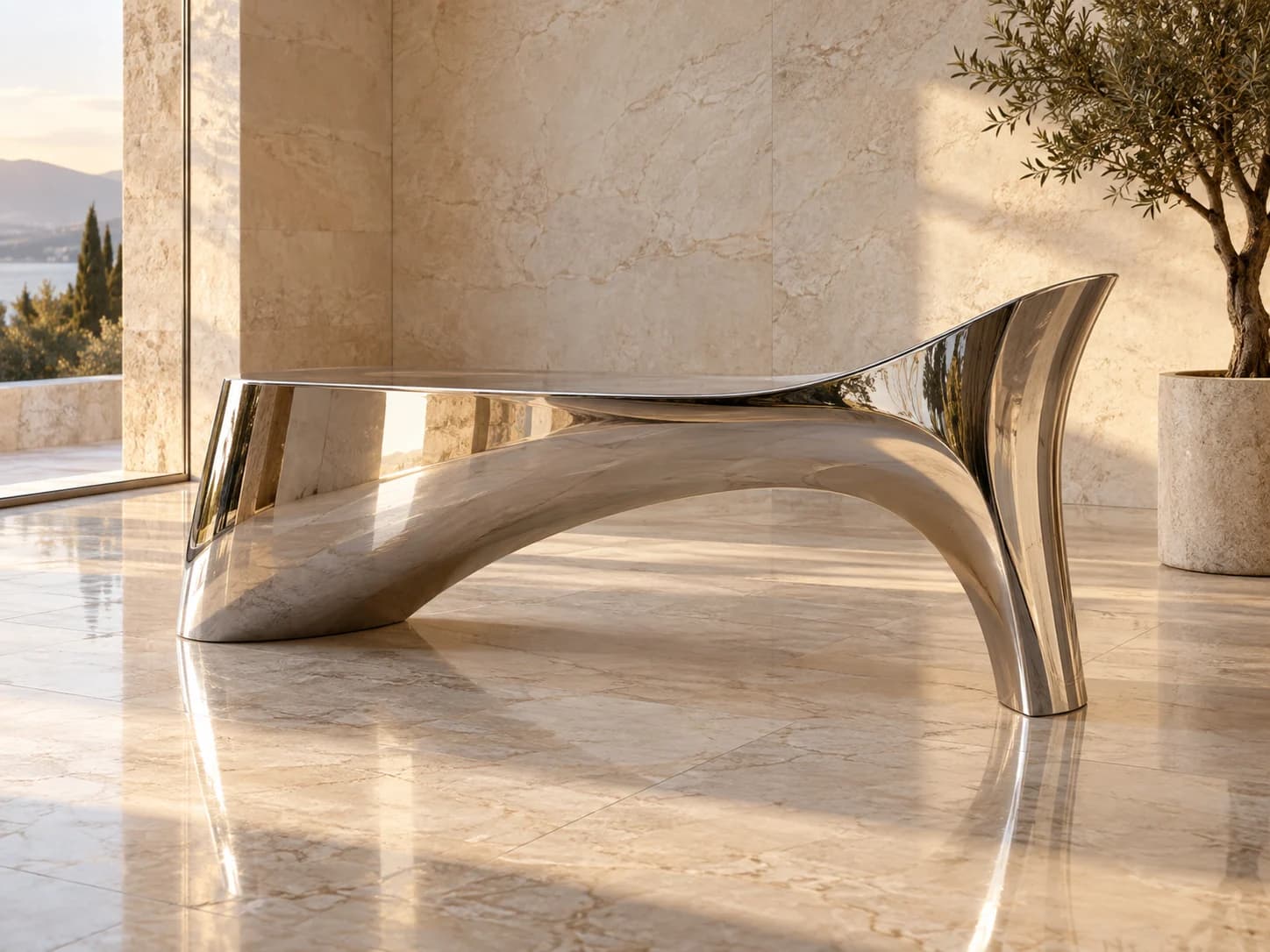
GUOYAO METAL is a brand of 广州市国耀高薪材料科技有限公司. Our focus is architectural metalwork: the forms, finishes and details that give a place its character.
We approach the conversation through the design itself. What should a surface express? How does it meet the surrounding materials? What happens when the light changes? These questions are the starting point.
广州市国耀高薪材料科技有限公司
Guangzhou, China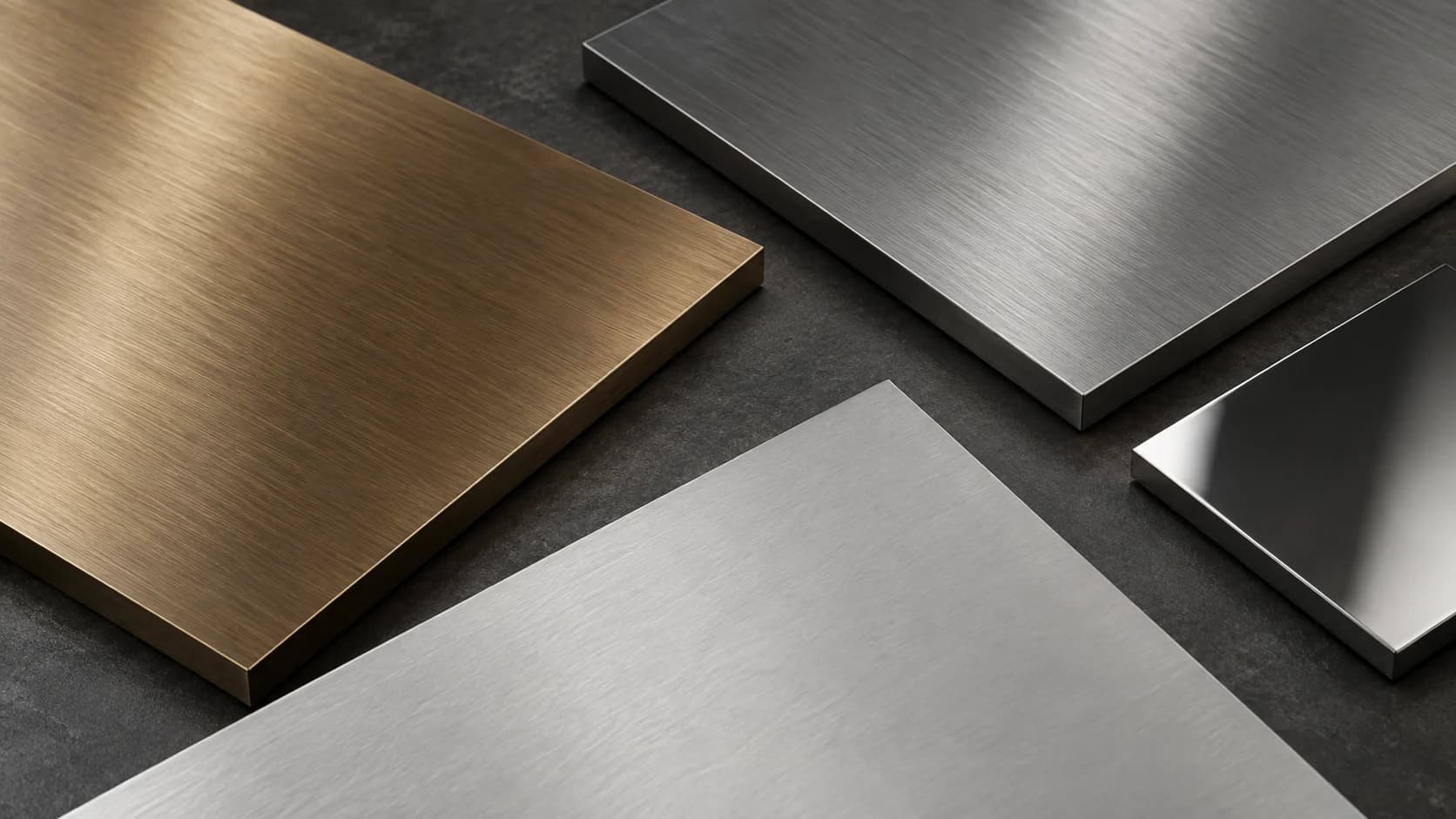
Texture.
Reflection.
Character.
02 / Reading the material
A material choice is also a choice about its setting. These three observations help frame the discussion beyond a finish name.
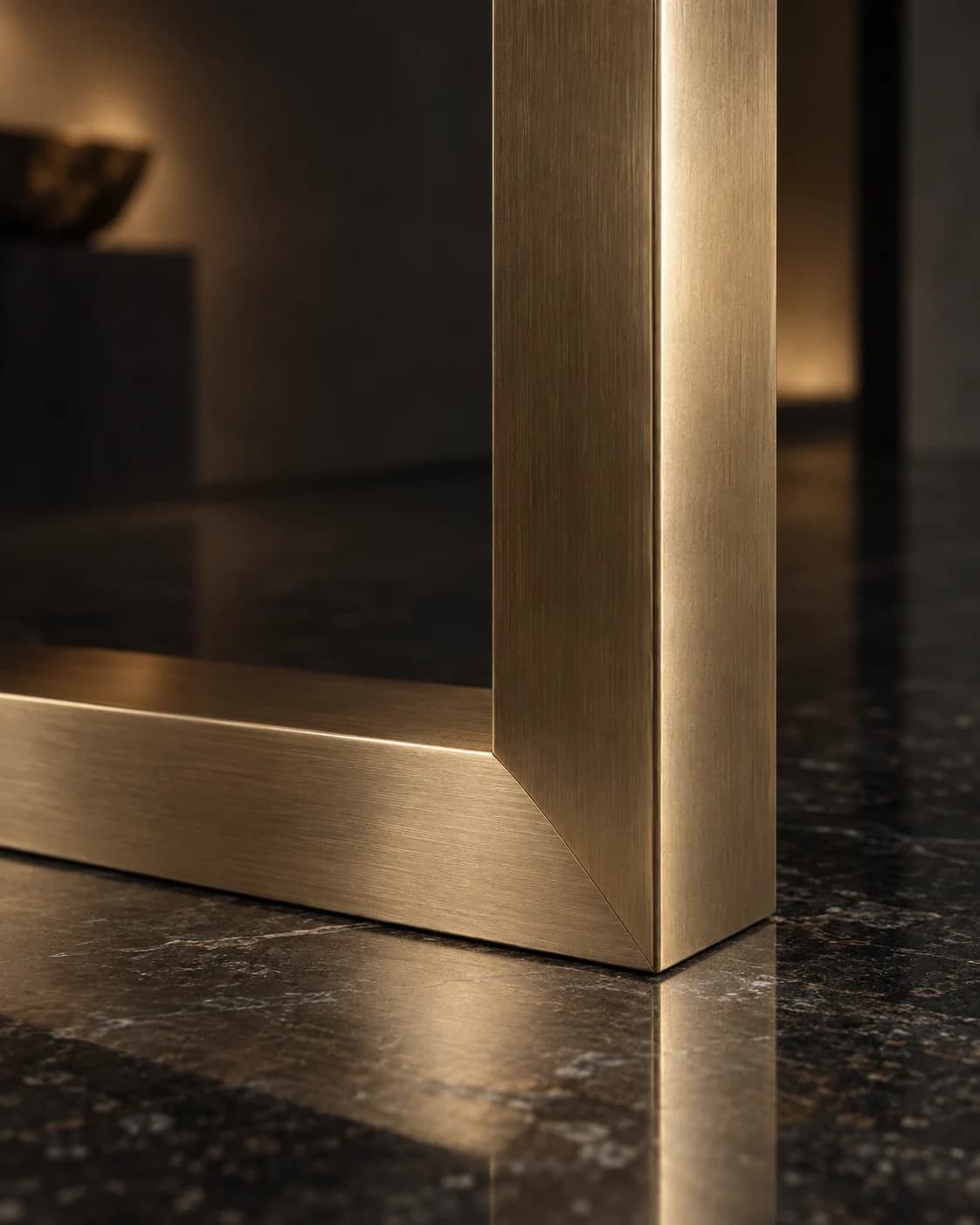
Look at the reference in the lighting planned for the space. Notice the direction of the highlights, the depth of the tone and what the surface reflects.
What should stand out, and what should stay quiet?
Think beyond the small sample. Consider how the direction of a texture or a repeated element will read across a larger plane, and from the usual viewing distance.
Is the effect about a close detail or a distant rhythm?
Place the metal reference alongside the stone, timber, glass or painted surfaces in the scheme. Compare the overall composition as well as each individual finish.
Should the metal create contrast or continuity?
03 / What guides the conversation
Begin with what the element should bring to the architecture. A finish name is more useful when the intended visual effect is clear.
Drawings, material references and photographs make a design direction easier to discuss. Identify what matters in each reference: its colour, texture, proportion or relationship to the space.
Keep open questions visible. Separate the requirements already defined from the choices still being explored, so the next conversation has a useful starting point.
04 / Preparing the first conversation
The more clearly an idea is described, the more useful the conversation becomes. Bring the context, the references and the questions that matter to your project.
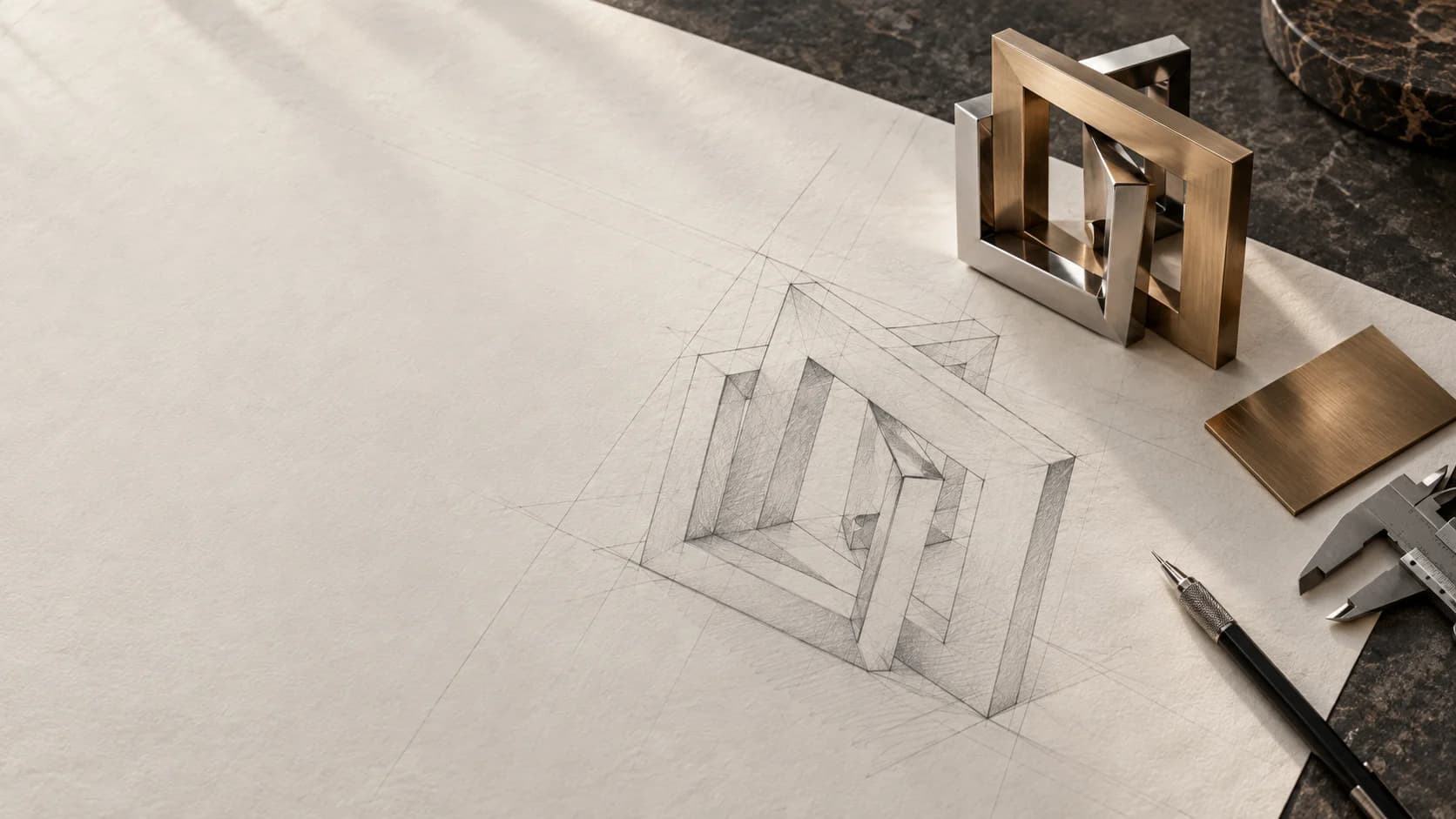
Show where the element belongs. A plan, a site photograph or a short description helps establish its relationship to the surrounding architecture.
Share the images or sketches that express your idea. A short note about what you like in each reference is more useful than a collection of unexplained pictures.
Include the information available at this stage, and mark anything still provisional. Early discussions can begin with a concept; more detailed questions need more detailed references.
Make the priorities explicit. Appearance, touch, maintenance, interfaces and project requirements can each shape the conversation in a different way.
A complete brief is not required to begin. Share your current references and tell us which decisions are still open.